top of page

Forming


Forming in building construction refers to the process of shaping and molding materials, typically concrete, into the desired structure or shape.
This crucial phase involves creating molds, known as forms or formwork, into which concrete is poured and allowed to set. The forms can vary in complexity, ranging from simple wooden structures for basic shapes to intricate systems made of steel or other materials for more complex designs.
Reinforcement


Reinforcement is a critical component in ensuring that concrete can withstand the tensile forces to which it is vulnerable. Reinforcing steel, commonly known as rebar, is strategically placed within the concrete forms before pouring .
As the concrete hardens around the reinforcement, it creates a composite material that combines the compressive strength of concrete with the tensile strength of steel. This synergy prevents cracking, improves load-bearing capacity, and enhances the overall structural performance of buildings.
Reinforcement is a critical component in ensuring that concrete can withstand the tensile forces to which it is vulnerable .


Concrete


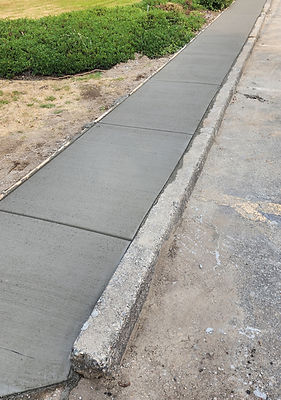
Concrete stands as a foundational material in building construction, renowned for its versatility, durability, and adaptability.
Composed of cement, water, aggregates (such as sand and gravel), and often additional additives, concrete transforms from a fluid mixture to a solid, robust structure through a process known as hydration
Concrete's compressive strength, coupled with its resistance to fire, weathering, and decay, makes it a reliable choice for a wide array of applications.
Beyond its structural qualities, concrete offers designers the freedom to experiment with finishes and textures, contributing to the aesthetic appeal of modern buildings.

Masonry

Masonry, a time-honored building technique, involves the construction of structures using individual units bound together with mortar.

These units can be bricks, concrete blocks, natural stones, or other specialized masonry materials. Masonry has been integral to architectural heritage, offering a combination of strength, durability, and aesthetic appeal.
Framing


Framing in building construction refers to the skeletal structure that forms the framework and support for a building's walls, floors, and roof.
The framing process involves the assembly of vertical studs, horizontal beams, and supporting elements to create a framework that defines the building's shape and provides structural integrity.
This framework not only supports the weight of the building but also facilitates the attachment of exterior finishes, interior walls, and roofing materials.
Framing techniques vary, with platform framing and balloon framing being common methods in wood construction, while steel framing offers a sturdy alternative for larger or more complex structures.
Accurate and sturdy framing is crucial for the overall stability and safety of a building, forming the structural backbone upon which the entire construction project relies.


bottom of page